The HerHaus Story
About
HerHaus is redefining what it means to create spaces for Black women. It offers a haven where women can escape the demands of everyday life and immerse themselves in genuine connections. Through thoughtfully curated experiences, HerHaus encourages Black women to embrace their individuality, foster deep, meaningful relationships, and engage in open, empowering conversations. It’s more than just a space—HerHaus is a celebration of identity, resilience, and community, providing the comfort and confidence to be unapologetically oneself.

Mission
Our mission is to provide an inclusive space curated for black women, where they can simply BE, connect authentically and celebrate their unique identities unapologetically with comfort and confidence
Target Audience
HerHaus caters primarily to Black women in the Twin Cities area – women who are professionals, creatives, entrepreneurs, and those seeking intentional community where they can engage in meaningful conversations and self-discovery.
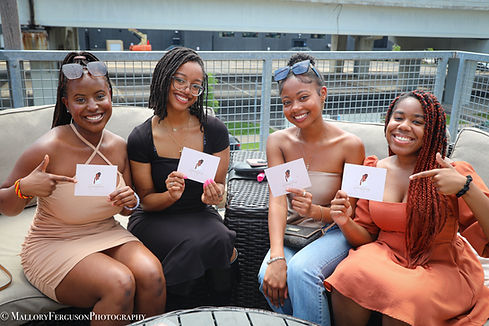
Meet the Co-founders
The vision for HerHaus was born out of the shared experiences of three women from vastly different backgrounds, each seeking a space where Black women could simply exist, connect, and thrive.

Aryn
born and raised in Memphis, Tennessee, found herself in the unfamiliar landscape of the Midwest when she moved to Minneapolis to begin her corporate career. Far from the cultural comforts of home, she craved a space where she could connect with other Black women who understood the unique challenges of navigating new environments.


Cari
a Minneapolis native, returned to her hometown after living for several years in Washington, D.C. Despite being back in familiar surroundings, Cari felt the need for a new community—one where she could meet people outside of her childhood circle and engage in intentional, empowering conversations with like-minded women.

Adia
originally from the beautiful island of Jamaica, is a first-generation immigrant who moved to Minneapolis, the farthest from home of the trio. With few opportunities to visit her family in Jamaica, Adia longed for a sense of belonging and a community that could provide safety, connection, and support.
